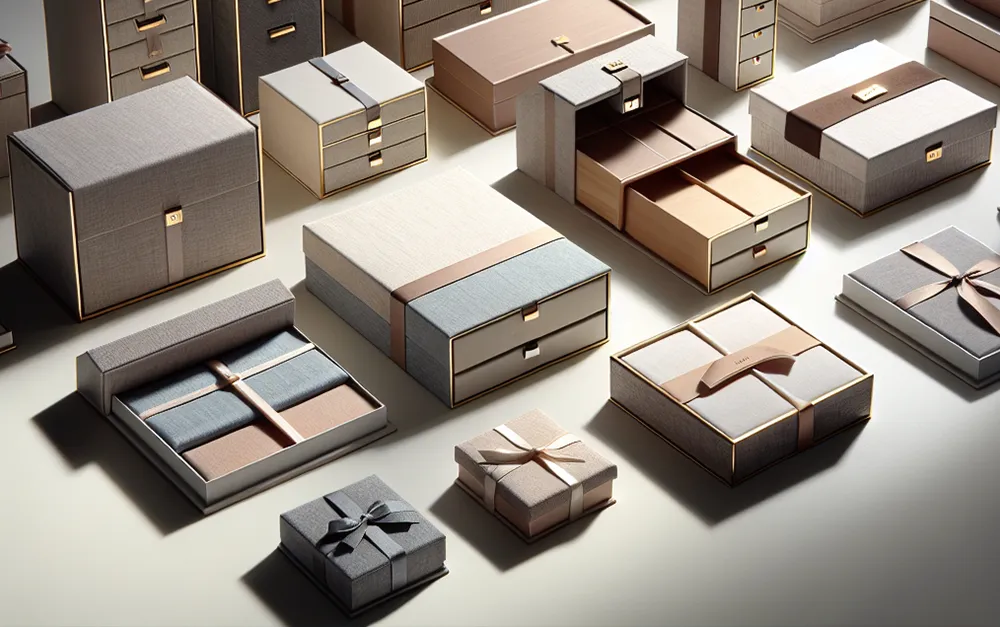



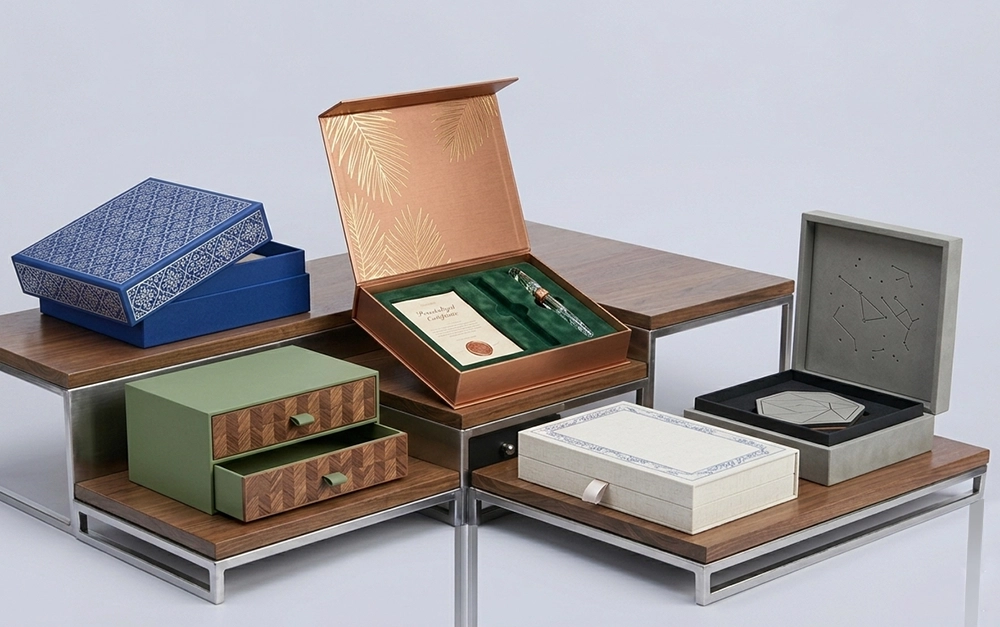
Packaging is no longer just a vessel for transport; it is the first physical touchpoint of your brand’s story. For high-end products, a rigid box serves as a silent ambassador of quality. This guide explores how strategic structural design transforms packaging from a disposable utility into a permanent household keepsake, increasing brand recall and sustainable value.
Why Rigid Packaging Defines Premium Branding
A rigid box—also known as a set-up box—is constructed from high-thickness chipboard wrapped in premium paper or fabric. Unlike folding cartons, these arrive pre-assembled and do not collapse.
The primary goal of premium packaging is to create an “unboxing experience” that justifies a higher price point. When a customer feels the weight and resistance of a well-crafted box, their perceived value of the product inside increases instantly. By designing for durability and aesthetics, brands can ensure their packaging remains on a customer’s shelf or desk long after the product is used.
1. The Classic Lift-Off Lid (Telescope Box)
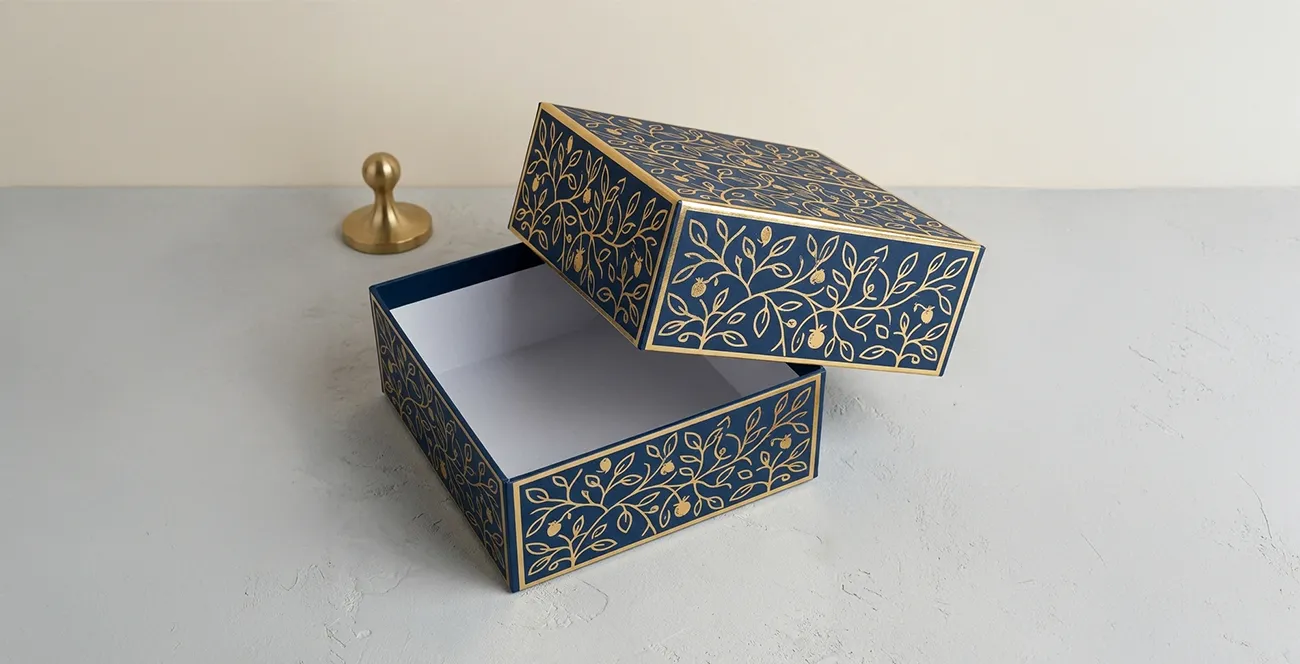
The lift-off lid is the gold standard for high-end electronics and jewelry. It consists of a base and a lid that fits snugly over it.
How It Works
The “vacuum seal” effect is a key feature of this design. As the lid is lifted, air resistance creates a slow, controlled opening. This momentary tension builds anticipation, making the final reveal of the product more impactful.
Why Customers Keep It
Because of its structural integrity, the lift-off lid box is frequently repurposed as a desk organizer or a storage unit for small tech accessories. Its clean lines and stackable nature make it a practical addition to any minimalist workspace.
2. The Magnetic Flap Box (Book-Style)
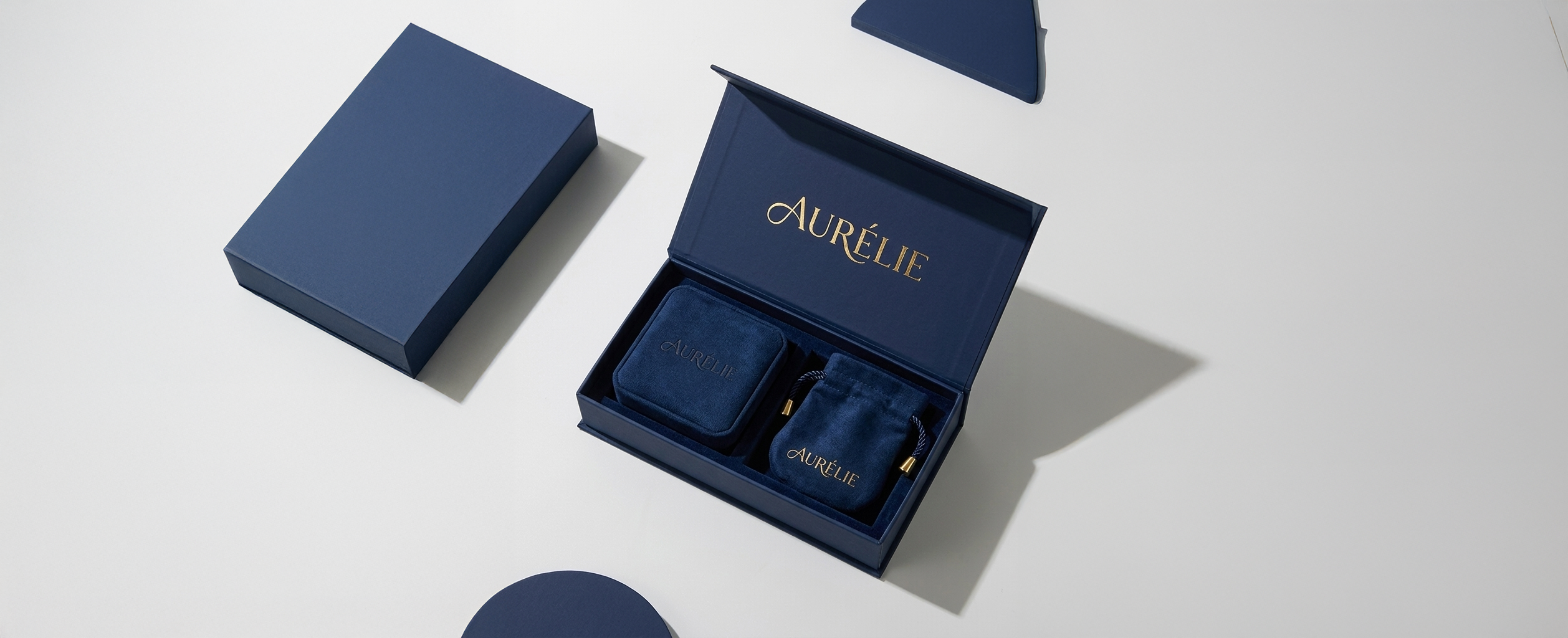
The magnetic flap box features a flip-top lid that stays closed via small, high-strength magnets embedded within the chipboard.
What It Is
This design mimics the opening of a hardcover book. It often includes a “hinged” spine that allows the lid to fold back completely, offering full access to the interior contents.
Expected Outcomes
- High Reuse Rate: The magnetic “click” provides a satisfying tactile feedback that users enjoy.
- Secondary Utility: These are the most common boxes kept for “keepsake” storage, such as holding photos, letters, or stationery.
- Ease of Access: Unlike friction-fit lids, the magnetic flap is easy to open with one hand, making it a functional storage solution.
3. The Slide-Out Drawer (Sleeve and Tray)
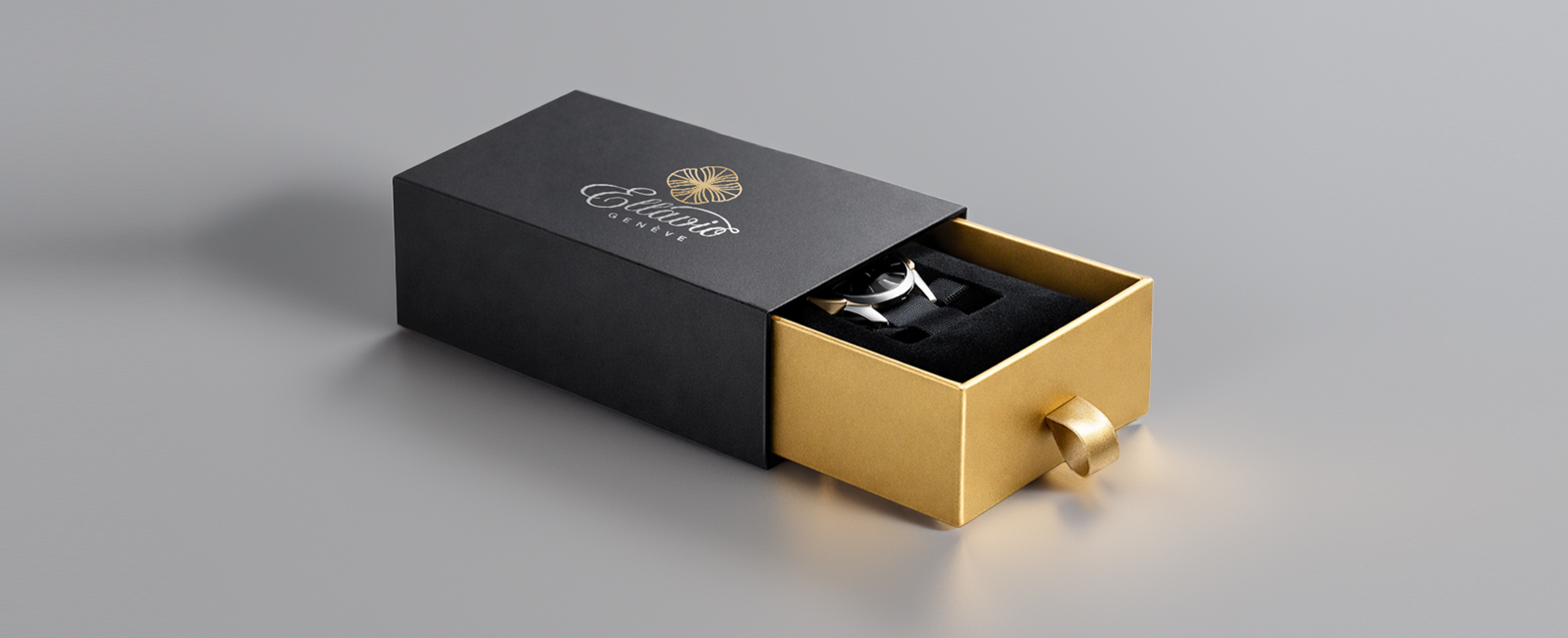
The drawer box consists of an outer sleeve and an inner tray that slides out, usually via a ribbon pull or a finger notch.
How It Works
This design relies on precise tolerances. If the sleeve is too tight, the tray sticks; if it is too loose, it lacks the premium “glide” feel. When executed correctly, the motion is smooth and silent.
Practical Applications
This format is ideal for sets, such as skincare routines or luxury tea collections. Once the product is consumed, the drawer becomes a perfect organizer for jewelry or makeup brushes. The outer sleeve provides a large surface area for branding, while the tray keeps items neatly contained.
4. The Clamshell (All-in-One)
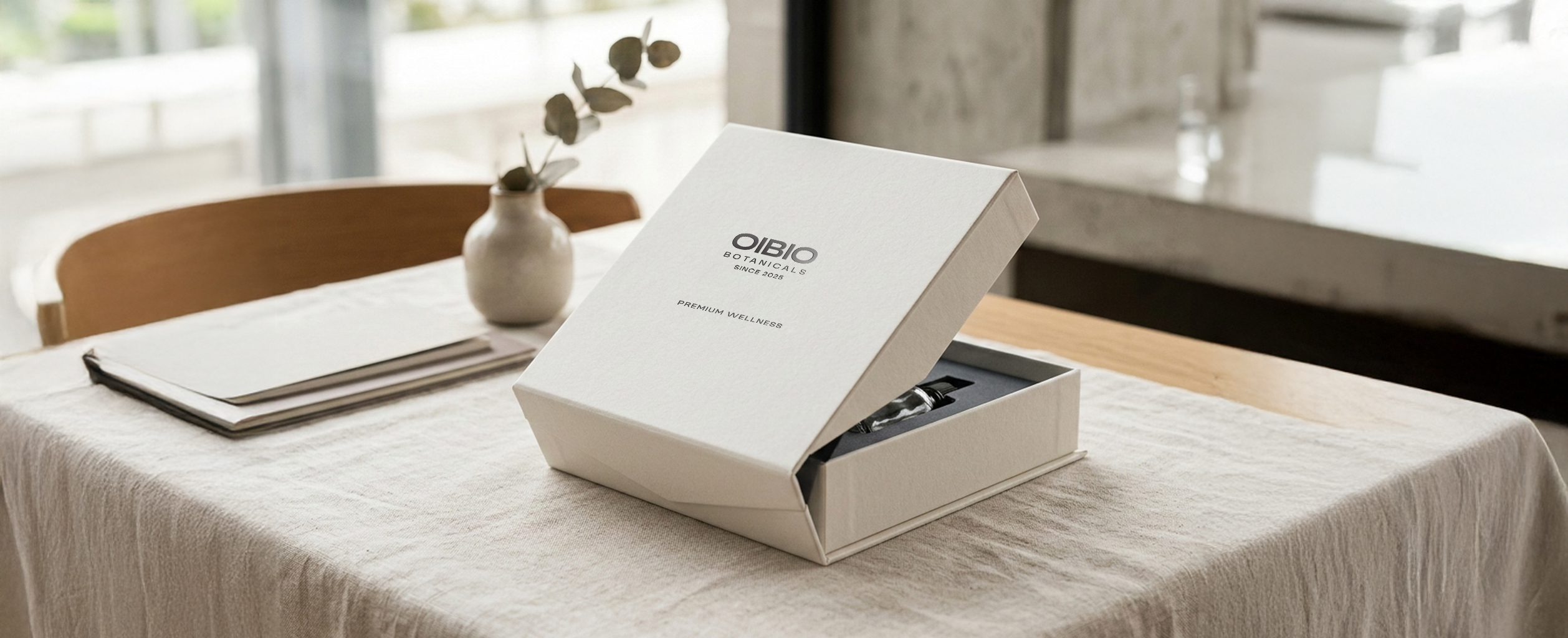
A clamshell rigid box is a one-piece construction where the lid is permanently attached to the base.
Why It Matters
Clamshells offer a “presentation” layout. When opened, the lid often stays upright at a 90-degree angle, acting as a backdrop for the product. This makes it an excellent choice for influencer kits or high-value gift sets.
Who It Is For
Brands that want to ensure their logo is always visible when the box is open. Because the lid doesn’t get separated from the base, the branding remains a cohesive part of the storage unit. It is commonly used for luxury watches and high-end perfumes.
5. The Neck-and-Shoulder Box
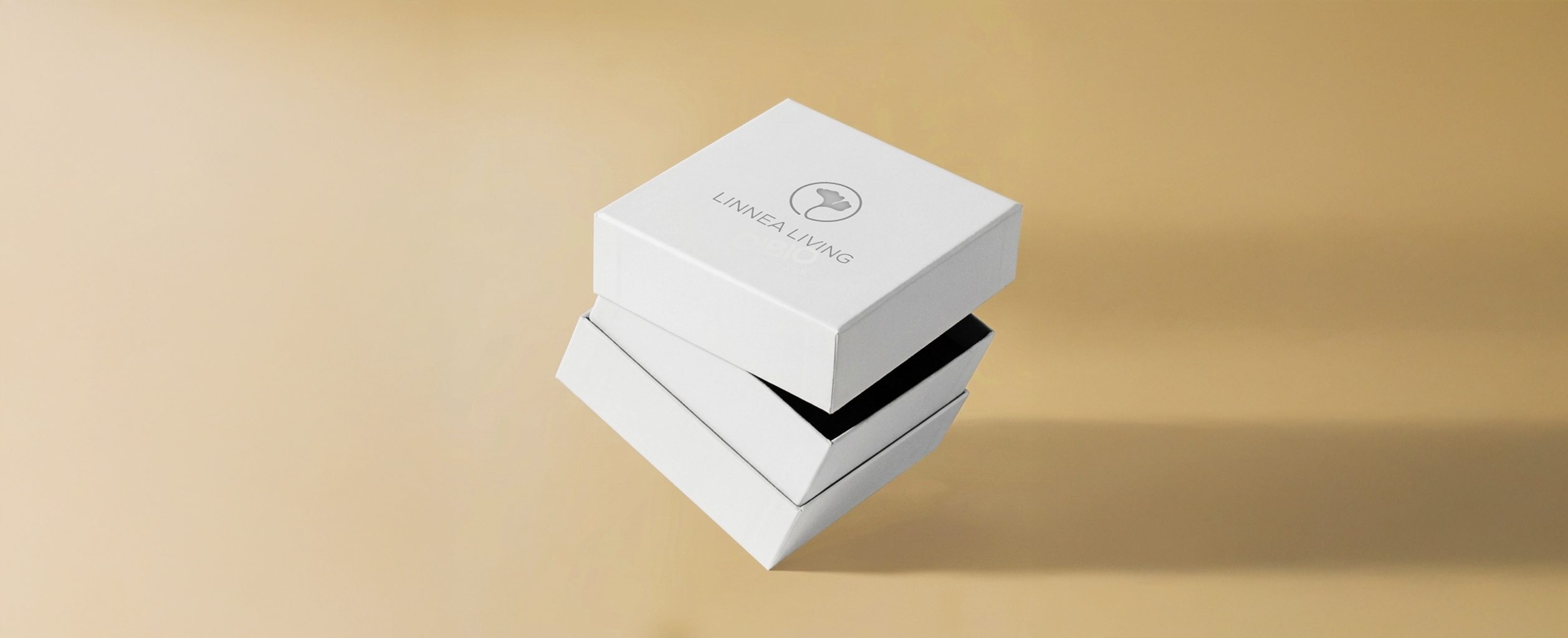
This design features an inner “neck” that creates a visible gap (the shoulder) between the lid and the base when closed.
The Structural Advantage
The neck provides extra vertical strength and allows for a “flush” finish where the lid and base have the same outer dimensions. This creates a sophisticated, multi-layered look that stands out on retail shelves.
Information Gain: The Contrast Factor
To maximize the “keep” factor, designers often use a contrasting color or texture for the neck. For example, a matte black exterior with a gold foil neck creates a visual pop that signifies luxury. Customers treat these boxes as decorative objects rather than trash.
Technical Specifications for Long-Term Durability
| Feature | Standard Requirement | Benefit |
| Chipboard Thickness | 1200gsm to 1800gsm | Prevents warping and corner crushing. |
| Wrap Material | 150gsm Art Paper or Fabric | Resists tearing and fading over time. |
| Finish | Anti-scratch Matte or Soft-touch | Maintains a “new” look even after heavy handling. |
| Internal Inserts | High-density EVA foam or Molded Pulp | Protects the product and provides organized reuse. |
People Also Ask (PAA)
What makes a box “rigid” compared to a standard box?
A rigid box is made from thick, non-foldable chipboard that is roughly 4 to 5 times thicker than the paperboard used in a standard folding carton (like a cereal box). While standard boxes are shipped flat, rigid boxes are shipped fully formed.
How do rigid boxes contribute to sustainability?
While they use more material, rigid boxes contribute to a “circular economy” through upcycling. Because they are durable enough to be reused for years as home storage, they stay out of landfills far longer than single-use plastic or thin cardboard packaging.
Is custom rigid packaging worth the investment?
For products priced above $50, the investment in rigid packaging typically pays for itself through reduced shipping damage and significantly higher customer satisfaction scores. It acts as a marketing tool that continues to work in the customer’s home long after the initial purchase.
Designing for “Information Gain”: The Interior Matters
Most brands focus entirely on the exterior of the box. However, the true “wow” factor—and the reason people keep boxes—often lies inside.
- Hidden Messages: Printing a brand mission or a “Thank You” under the lid creates a personal connection.
- Functional Inserts: If the internal foam or cardboard insert is removable, the box becomes instantly more versatile for the customer.
- Scent and Texture: Using textured papers (like linen or embossed patterns) engages the sense of touch, which is more closely linked to memory than sight.
Summary of Benefits
Choosing the right rigid box design is a balance of functionality, cost, and brand alignment.
Brand Recall: A box kept on a desk serves as a daily visual reminder of your brand.
Sustainability: Reuse is the highest form of recycling.
Protection: Rigid structures offer the highest level of transit protection for fragile goods.
Perceived Value: Premium packaging allows for premium pricing strategies.
How to Get Started with Your Design
When selecting a design, consider the “footprint” of the box. A box that is too large may be discarded because it takes up too much space. A box that is perfectly sized for common household items (like A5 paper, remote controls, or jewelry) has a much higher chance of being retained.